
The Most Valuable IPA Papers Are the Ones We Actually Read
Effectiveness becomes meaningful only when we understand the decisions, constraints and trade-offs behind it. These papers show how much is gained when we take the time to read beyond the headlines.


Every two years, the IPA Effectiveness Awards take over my working life in the best possible way. At MG, we spend months buried in data, interviews, econometrics and arguments that become stronger through challenge. It is detailed work, often intense, but it reminds me why this competition matters.
Because the IPA Awards are more than trophies. They are one of the richest learning resources our industry has. They show how advertising works in the real world, not the tidy world of frameworks and slides. They capture the complicated mix of decisions, compromises and constraints behind commercial success. And, if we read them properly, they help all of us do the job better.
It also reminds me why I love the culture we have at MG. We are proud to be the most awarded media agency in the history of these awards, not because of the trophies but because of what sits underneath them. You cannot fluke an IPA paper. You cannot phone it in. The only way to win consistently is to have a culture where effectiveness belongs to everyone, where understanding impact is part of every person’s job. That shared belief shapes how we work and, more importantly, how we learn.
This year, I decided to choose three papers from recent competitions to revisit. None of them were written by me or by the company I work for. That part is not important. What matters is the act of reading. What matters is spending time in the detail. Far too often we skim the summaries, glance at the headlines and move on. The value sits elsewhere. It sits in the diagnosis, the context, the uncertainties and the choices that shaped the outcome.
The point is not that these three papers are the best. The point is that any marketer can learn something meaningful by reading a handful of cases slowly and properly. That is how we get better at strategy. That is how we understand where commercial value really comes from. That is how we sharpen our instincts about growth, decline, behaviour and systems.
The three cases below are simply the ones I returned to this year. The learning is the important part. The reading is the important part.

1. Boursin, The Art of Moving a Category When the Category Will Not Move
Boursin is an effectiveness story that feels almost humble at first glance. No splashy new category. No celebrity partnership. No vast budget. Just a brand caught in a structural trap where most of its sales happened in December and practically nothing happened in the months either side.
Seasonality is its own kind of decline. When a brand is dependent on one moment in the year, its commercial health is fragile even if the headline numbers look stable. Boursin knew that a single strong Christmas does not make a strong business. The real challenge was the steady quiet decline across the rest of the year.
This is where the paper becomes interesting. There is often debate about whether marketing creates demand or simply increases the probability of securing it. Boursin is a useful case because it shows how both can happen when the diagnosis is right. The brand did not just pursue more buyers. It changed the way the category was understood.
The strategic shift repositioned Boursin from a Christmas indulgence to a year-round ingredient. It moved the brand from a once-a-year treat to something far more flexible. Communications placed it in new contexts and moods, making it feel relevant to weekday meals, casual hosting and small moments of everyday elevation.
This was not a volume push. It was a behavioural shift.
Penetration grew outside Q4. Usage spread into new occasions. The brand increased the total number of treating and cooking moments in which it could credibly play. The work did not only improve Boursin’s chances of being chosen. It increased the total surface area of demand.
It is a rare thing. A case that demonstrates how careful diagnosis and a clear strategic idea can reshape the category cues that govern demand in the first place, not simply compete for what already exists.
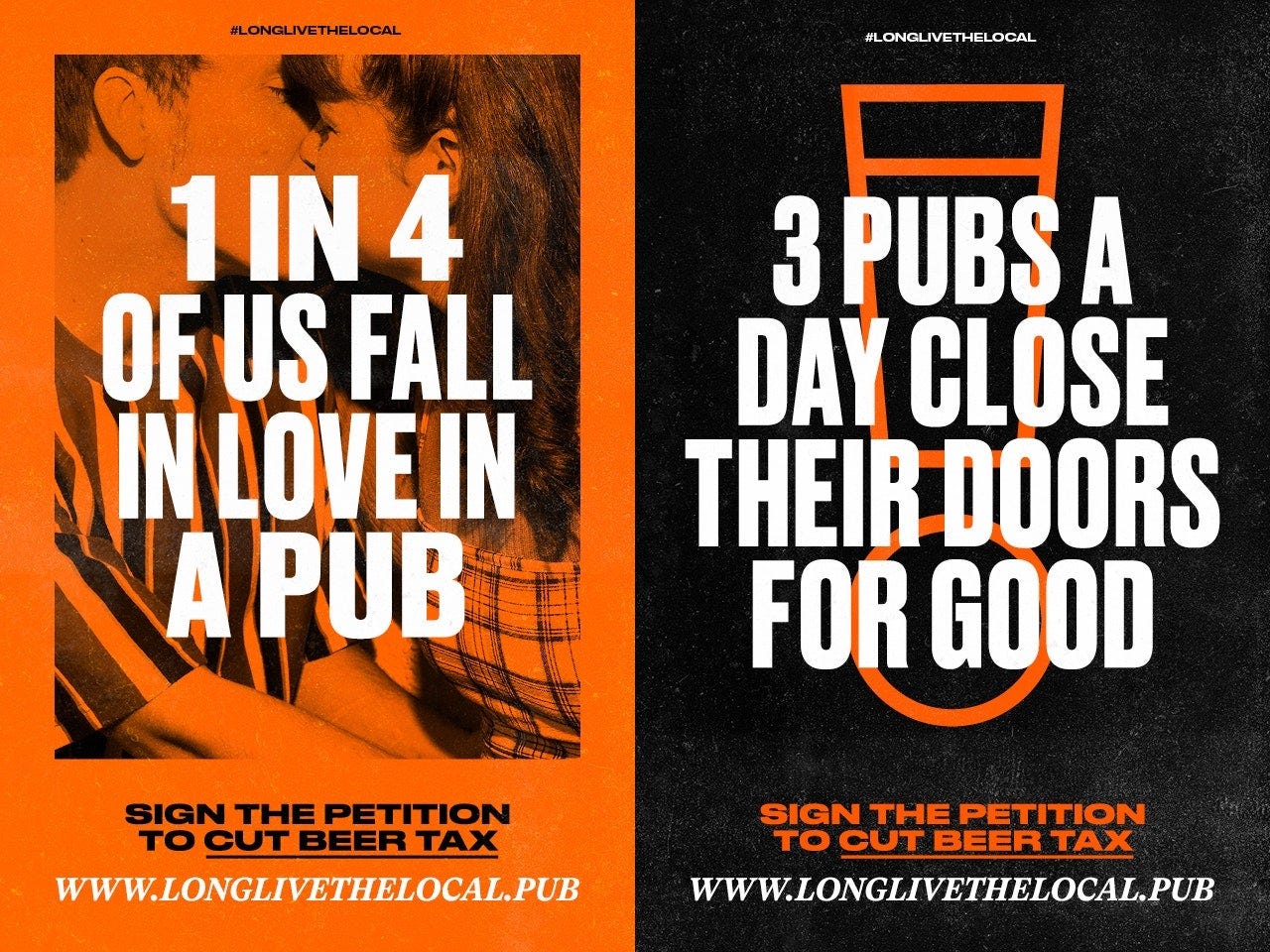
2. Long Live the Local, When Advertising Redraws the Economic Map
Long Live the Local is one of the clearest examples of how advertising can operate as part of a wider system rather than as a standalone communications burst. The headline outcome is easy to summarise. Beer Duty froze four years in a row. Draught duty was cut by five percent. The campaign created £2.5bn in economic benefit and prevented more than twenty five thousand job losses.
Those results matter, but what makes this paper exceptional is the thinking behind them. The work recognised that the health of pubs sits at the intersection of taxation, local economics, cultural identity and public feeling. It understood that pubs do not die because people stop caring about them. They die because the cost base becomes unsustainable. Duty rises, margins weaken and once a pub closes it does not come back.
The campaign treated advertising as part of this system. It mobilised communities, rallied public sentiment, created a cultural argument for the survival of pubs and gave people a simple, visible way to act. It helped politicians understand the public cost of inaction. It influenced policy by shifting what constituents, commentators and decision-makers believed was at stake.
This is where the case becomes important for the industry. Too often we reach for the line that people buy stories and use it as permission to shave complexity down to the bone. We tell ourselves that the moment a strategy or measurement framework contains more than one thought, it becomes too complicated. That belief is comforting, but it is wrong.
Advertising has a simple job.
For commercial clients, the job is to help a business sell more at better margin and across a wider mix.
For public sector clients, the job is to help more people do the right thing more easily.
Those objectives are clear. The considerations required to achieve them are not.
The thoughts, beliefs and behaviours of millions of people do not organise themselves into simple lines. Culture, economics and psychology are always overlapping. Long Live the Local succeeds because it does not pretend otherwise. It is grounded in the reality that systems are complex, and that effectiveness comes from working with that complexity rather than ignoring it.
It is a case that shows how advertising can support economic resilience, shape public mood and protect an entire sector of national life. It demonstrates that good storytelling does not run from complexity. It arranges it in a way that people can act on. That is why this case matters. It shows advertising as civic infrastructure, not just communication.
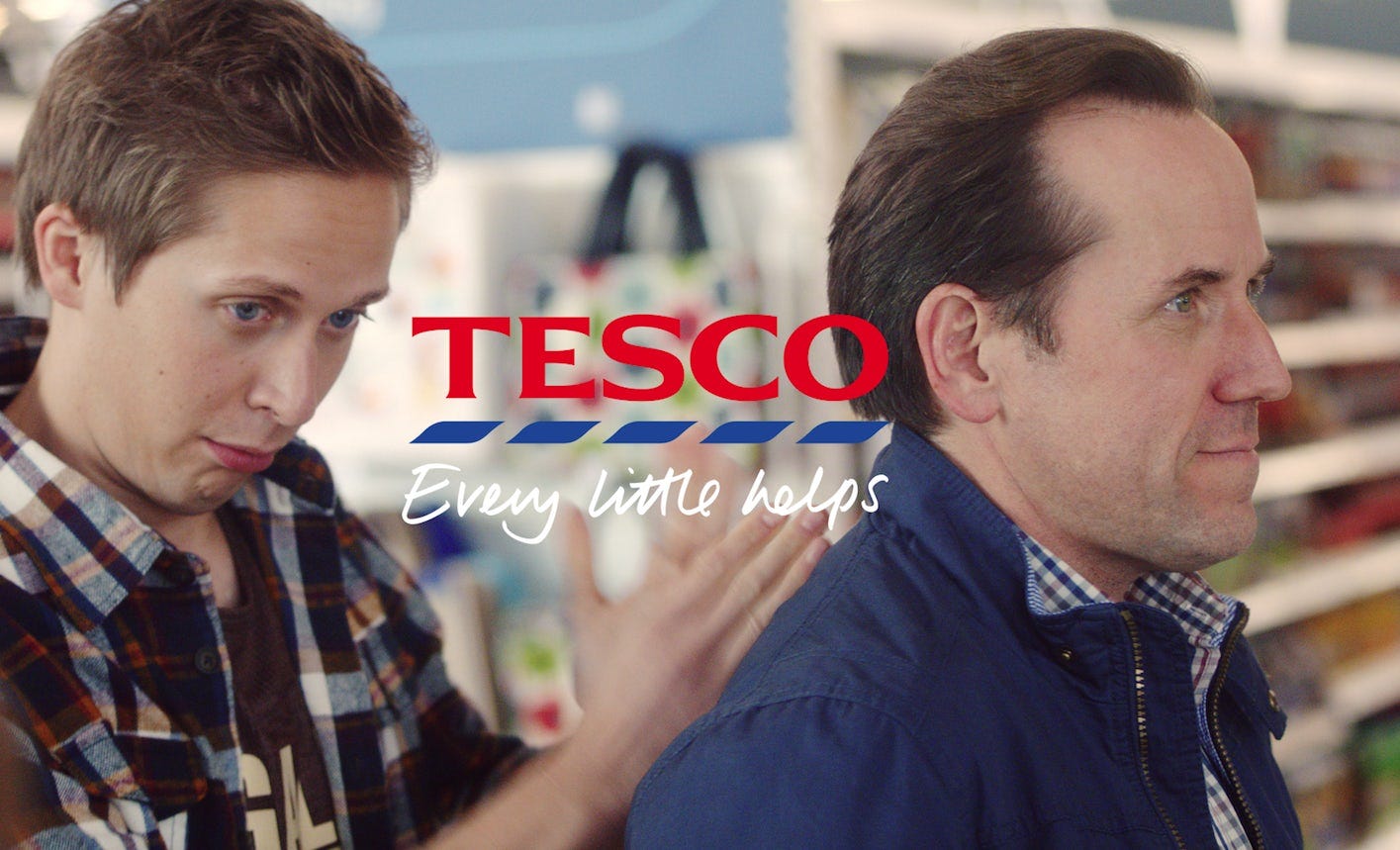
3. Tesco, A Turnaround Built on Trust, Not Tactics
Tesco is one of the most ambitious effectiveness stories in the IPA archives because it treats marketing not as a communications function but as a component of corporate repair.
In 2015, Tesco found itself in a situation that would have broken many businesses. It reported the biggest loss in UK retail history. Customer trust had been eroded by years of drift and inconsistency. Quality perceptions and value perceptions were falling. Competitors were squeezing from every direction. The business was structurally wounded.
The recovery required far more than a new campaign. It needed a complete reorientation around the everyday experience of shopping at Tesco. That meant improving food quality, simplifying value, restoring service and communicating these changes with unusual consistency. The advertising was not decorative. It was the connective tissue between the inside of the business and the outside world.
Over five years, the results compounded. Quality perceptions rose from 9 percent to 28 percent. Value perceptions rose from 4 percent to 22 percent. Sales returned to growth. The business recovered to more than two billion pounds of profit. Marketing played a documented role in delivering £4.3bn in incremental revenue.
Tesco shows what happens when advertising is part of a wider system of organisational change. It demonstrates that sustained brand building has commercial weight even in the most hostile conditions. It is a reminder that the biggest effects are often the quietest ones, created over years by teams aligning behind a simple idea with discipline.
Why These Stories Matter
The temptation with awards is to chase the biggest numbers. The easy stories. The ones that line up neatly with the narrative we want to tell. But the industry’s most valuable insights sit elsewhere.
Boursin shows how to change behaviour in slow-moving categories.
Long Live the Local shows how creativity can influence policy.
Tesco shows how advertising supports corporate recovery.
These cases share a discipline that often goes unnoticed. They respect the complexity of the systems they operate in. They accept that progress takes time. They show that effectiveness is often less about fireworks and more about friction, the slow reduction of barriers, doubts, habits and economic pressure.
As we help our clients prepare their papers, I am always reminded that the real magic of the IPA Awards is not the shortlists or the trophies. It is the collective record they create. A record of how advertising works when growth is fragile, when markets are imperfect and when the obvious levers are not available.
My biggest plea to anyone entering or reading these awards is simple. Read the full papers and remember your favourites. The summaries are helpful and the Databank reports are interesting, but the real value sits in the detail. It sits in the decisions that were made, the constraints that were understood and the problems that were solved with patience rather than drama. Those are the lessons that shape how we create value for clients. Those are the moments where effectiveness becomes something you can actually use.
That is what makes the next round exciting. Not the chance to celebrate the spectacular, but the chance to understand the subtle. Because subtle is often where the commercial value lives.